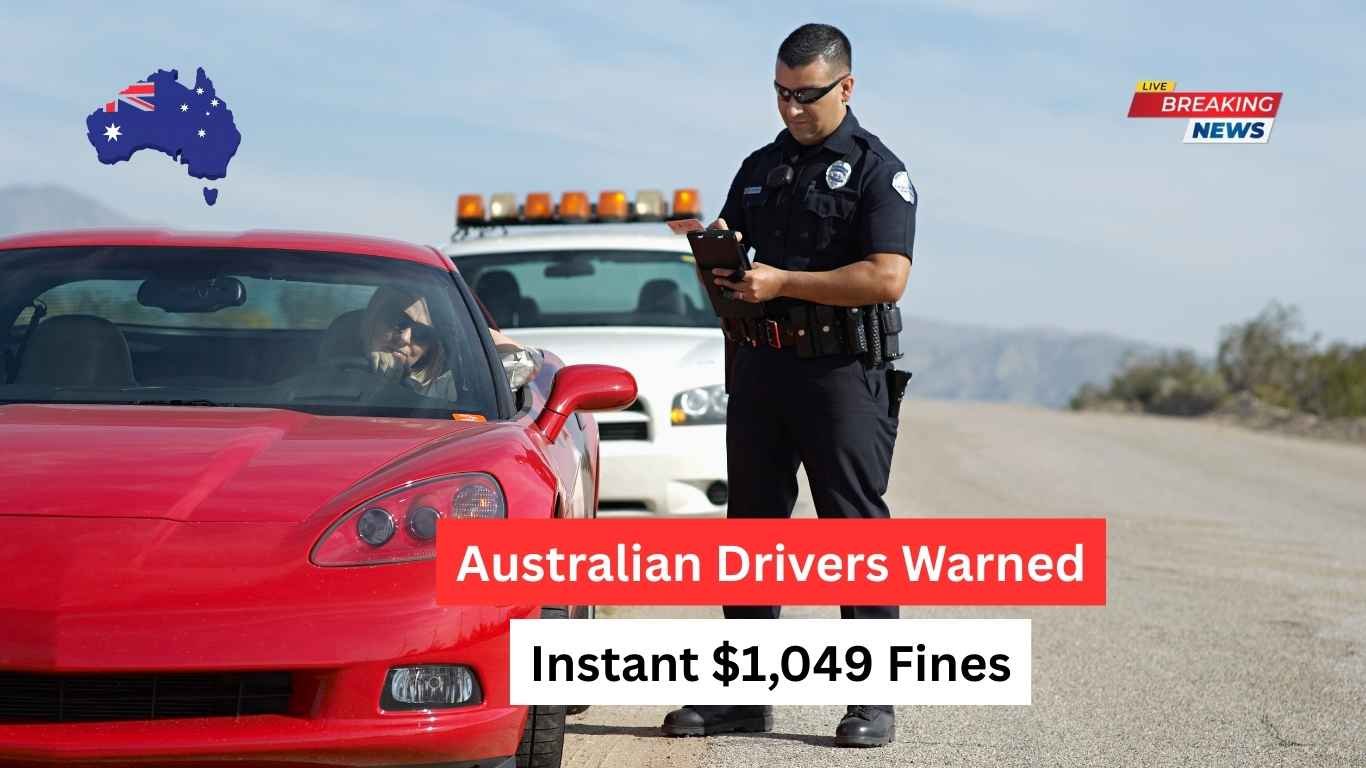
From 30 November 2025, stricter traffic enforcement rules come into effect across Australia, introducing a new generation of smart cameras capable of identifying multiple driving violations in real time. Under the new system, motorists caught engaging in high-risk behaviour—such as severe speeding, phone use while driving, or running red lights—can face instant fines of up to $1,049.
This national rollout marks one of the most comprehensive road safety measures implemented in recent years. Its goal is to reduce fatalities and serious injuries in accident-prone zones by using AI-driven technology to identify unsafe driving habits faster and more accurately than ever before.
Stricter Traffic Camera Enforcement for Australian Roads
Australian roads are set to experience a new era of digital traffic enforcement. The upgraded safety cameras, developed for high-traffic and high-risk locations, now feature enhanced image sensors, infrared lane monitoring, and artificial intelligence capable of detecting offences within seconds.
The enforcement focus will be strongest in areas with consistent crash records, near schools, and along major urban corridors where driver distraction and speeding remain persistent concerns. Offenders caught on camera will receive automatic fines, with no warning letters or grace periods offered.
Authorities stress the primary goal is not revenue generation but to reduce preventable tragedies. The updated enforcement system directly supports the National Road Safety Strategy, which aims to cut Australia’s road toll by half before 2030.
Key Offences and Penalties Under the New Rule
Drivers should know the specific behaviours that trigger penalties under the new framework. The highest penalty applies to severe speeding—typically 25 km/h or more above the legal limit in a designated high-risk area—resulting in an immediate $1,049 fine and significant demerit points.
| Offence Type | New Fine Amount |
|---|---|
| Severe speeding in high-risk zone | $1,049 |
| Using mobile phone while driving | $644 |
| Failure to stop at red light | $481 |
| Not wearing seatbelt | $344 |
| Illegal lane change | $309 |
These amounts reflect the rising cost of dangerous driving nationwide. Each fine can also be paired with licence suspensions or higher insurance premiums, depending on the severity and frequency of offences.
What Makes the 2025 Rule Different
Unlike older enforcement systems, the new cameras use integrated AI algorithms and machine learning models that can evaluate a driver’s actions from multiple angles. They can identify whether a driver’s hands are on a mobile phone, whether all occupants are wearing seatbelts, and whether the vehicle has crossed lane markers without signalling.
The technology processes data instantly, meaning infringement notices can be generated within minutes rather than days. Cameras can recognize and record:
- Drivers holding phones or looking down for extended periods.
- Vehicles accelerating beyond posted limits while turning or overtaking.
- Improper stopping patterns at red lights and pedestrian crossings.
- Lane drift or unindicated lane changes detected via high-resolution imaging.
Mobile camera units will also be deployed to monitor emerging hotspots. These portable systems will relocate daily, reducing blind spots and discouraging drivers from relying on location-specific speed awareness apps.
High-Risk Zones and Targeted Enforcement
Although the rules apply across all states, the heaviest enforcement will focus on high-risk areas. State transport departments have identified corridors and intersections with ongoing histories of speeding, pedestrian injuries, or rear-end collisions.
High-priority zones include:
- School precincts and crossing areas.
- Urban freeways connecting major cities.
- Suburban intersections with frequent red-light violations.
- Rural highways with high-speed crash records.
All regions will feature clear signage about camera zones, providing adequate warnings to encourage behavioural compliance rather than surprise penalties.
Advanced Technology Behind the Cameras
The newly installed safety cameras integrate advanced AI and infrared imaging to evaluate driver movement under varied lighting and weather conditions. AI software analyses video frames in real time, cross-referencing behaviour patterns with enforcement regulations.
Authorities say the system can identify up to five types of offences per vehicle in one capture. It also automatically uploads violations to a secure database shared across state networks, ensuring penalties are processed uniformly regardless of where the driver resides.
The pilot programs conducted earlier this year in New South Wales and Victoria delivered strong results, showing significant reductions in phone use and red-light running within just three months of activation.
Statewide Road Safety Measures
To complement the 30 November camera activation, each state government has ramped up awareness campaigns and local enforcement. Traffic patrol units will work alongside the automated system to monitor areas not yet equipped with the new cameras.
Community education programs highlighting distracted driving, non-compliance with seatbelt laws, and highway fatigue have been expanded. The intent is to ensure drivers understand the dual focus—education first, enforcement second—so safer habits become routine.
Over time, national authorities expect the combination of public engagement and strict automation to address the main causes of serious accidents: speed, distraction, fatigue, and impaired driving.
Preparing for the New Traffic Rule
As the new rule takes effect, Australian drivers should take key steps to remain compliant:
- Review state transport department websites to confirm high-risk and monitored zones.
- Avoid using mobile devices in any form while driving—even at traffic lights.
- Ensure all passengers wear seatbelts before moving the vehicle.
- Maintain lane discipline and signal early when merging or overtaking.
- Keep within speed limits, especially in construction, school, or suburban zones.
Making these adjustments before the enforcement date can prevent significant penalties and protect personal and community safety.
Conclusion
Australia’s new traffic camera rule represents a major advancement in road safety enforcement, combining modern technology with stricter penalties to make roads safer for all users. With the introduction of AI-enabled detection and instant fines, the message is clear: unsafe driving habits will no longer go unnoticed.
Drivers who stay attentive, compliant with limits, and focused on the road will not only avoid hefty fines but also contribute to a safer national transport environment. The best preparation for 30 November is simple—drive smart, stay alert, and follow the rules designed to protect every Australian on the road.
Frequently Asked Questions
When does the new rule start?
The new nationwide traffic camera enforcement policy starts on 30 November 2025.
What is the maximum fine introduced?
The highest fine under the new regulation is $1,049 for severe speeding in high-risk zones.
Can cameras detect mobile phone use inside vehicles?
Yes, AI-enabled cameras can detect phone handling or screen usage instantly.
Are all states following the same enforcement approach?
Yes, every state and territory will operate under the unified national enforcement framework from 30 November.